


Scale & Maintain
An embedded senior team, led by a fractional CTO, that evolves the platform with you across product, integrations, data and reliability.
How we maintain?Loading…
You already have devices in the field — and a platform, or a patchwork, trying to manage them. We build the remote management layer alongside the team you have. An OTA pipeline you don't fully trust. Provisioning that was fine for the pilot. Telemetry you can't turn into answers. A fleet of devices that's outgrown the tools managing it.
Provisioning & identity
OTA updates
Monitoring & diagnostics
Device-to-business
Data & AI
An embedded senior team, led by a fractional CTO, that evolves the platform with you across product, integrations, data and reliability.
How we maintain?We engineer what's next: a platform, a feature, an integration, a data layer, or AI at the core.
How we build?Make what already runs reliable — performance, data flows, integrations, technical debt, production issues.
How we fix?
We work with the device platform you already use
AWS IoT, Azure IoT, ThingsBoard, Particle, or your own — and build the management software around it to make the whole system work better.
A device platform is one component of a larger system
devices, firmware, connectivity, cloud, identity, updates, monitoring, and the business systems the data has to reach. Most engineering problems live in the seams between those parts, not inside any one of them.
We work around your platform
inside it, and between it and everything else it has to talk to.


EV Charging Success Story | North Carolina, US | Scale & Maintain
Built the full platform — bookings, payments, access control, live monitoring.
Hardware-agnostic via OCPP: no charger-vendor lock-in.
Trusted by names like Greystar and Cushman & Wakefield.
Provisioning & Device Identity
Device onboarding, identity, secure credentials, and zero-touch provisioning at volume
OTA Updates & Firmware
Update campaigns, staged rollouts, rollback, and version management across the fleet
Monitoring & Diagnostics
Device health, telemetry, alerts, remote troubleshooting, and failure recovery
Device-to-Business Integration
Telemetry into billing, ERP, dashboards, and the workflows that actually run on it

Three ways to get it done. Each one costs you something nobody mentions upfront.
Hiring Additional Engineers Takes Months You Don't Have
Nobody Owns The Space Between Your Systems
The Platform Gets Expensive The Moment You Scale
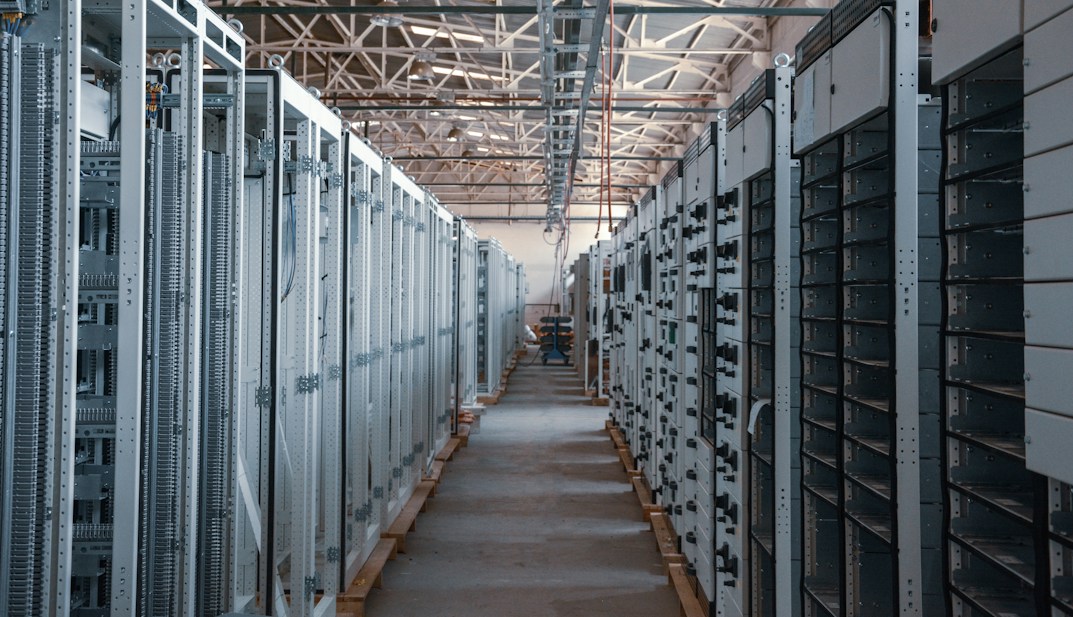
Device systems span firmware, connectivity, cloud infrastructure, data, and business applications. The complexity usually appears in how those layers interact — especially as the system moves from a pilot to a production fleet.
It was built for a pilot, so it fights you at scale.
Manual provisioning, hand-held updates, and one-off fixes were fine for a demo. At fleet scale, every one of those exceptions becomes the system.
The fleet grows faster than the design assumed.
Managing fifty devices is one system; managing fifty thousand — provisioning, updates, monitoring, failure recovery — is another. What felt smooth in the pilot buckles under real volume.
It's lost the people who understood it.
Enough hands have touched the code that changes take weeks, and every fix risks a new break.
A team who already work in this ecosystem, on the piece that's blocking you, for as long as it takes.



Your OTA process works in testing but struggles once devices are deployed.
Connectivity changes in the field. Updates can be interrupted, devices can disappear during a rollout, and different firmware versions may remain active at the same time. The update workflow has to account for the fleet that actually exists.
A new hardware vendor behaves differently from the devices already supported.
Telemetry formats, device states, timing, or protocol behaviour may not match what the rest of the platform expects. A normalization or integration layer can isolate those differences from the systems upstream.
You collect large amounts of device data but still cannot answer operational questions.
Telemetry may be split between device platforms, databases, vendor systems, dashboards, and spreadsheets. The challenge becomes turning those sources into one reliable operational view.
Your device platform was designed for one customer and now serves many.
Each customer may require separate data, permissions, configuration, branding, or reporting. That introduces a multi-tenancy problem that did not exist in the original product.
Your pilot worked, but rollout keeps exposing new problems.
Provisioning, fleet health, monitoring, update campaigns, buffering, support workflows, and failure recovery become more important as deployment grows.
Your devices and business systems still operate separately.
Telemetry reaches the cloud, but billing, work orders, accounting, customer portals, or other workflows still depend on manual steps. The missing piece is often the integration and business logic between them.
Your connected product behaves differently in software than it does in the real world.
Software cannot be developed entirely against assumptions. Real-device testing exposes differences in connectivity, firmware state, timing, and physical-device responses that software-only testing does not.
 Misty evergreen forest
Bring us the problem. We'll work out the engineering with you — what to build, what to extend, what to integrate, and what to leave alone.