

Scale & Maintain IoT Software
We engineer what's next: a platform, a feature, an integration, a data layer, or AI at the core.
How we maintain?Loading…
Your devices are already in the field. We build and extend the software between the device and the business, from firmware and OTA to device cloud, telemetry, fleet management, and integrations.
Firmware & OTA · connectivity & protocols · device cloud ·
Telemetry · fleet management · integrations · data & AI
We engineer what's next: a platform, a feature, an integration, a data layer, or AI at the core.
How we maintain?We engineer what's next: a platform, a feature, an integration, a data layer, or AI at the core.
How we build?We engineer what's next: a platform, a feature, an integration, a data layer, or AI at the core.
How we fix?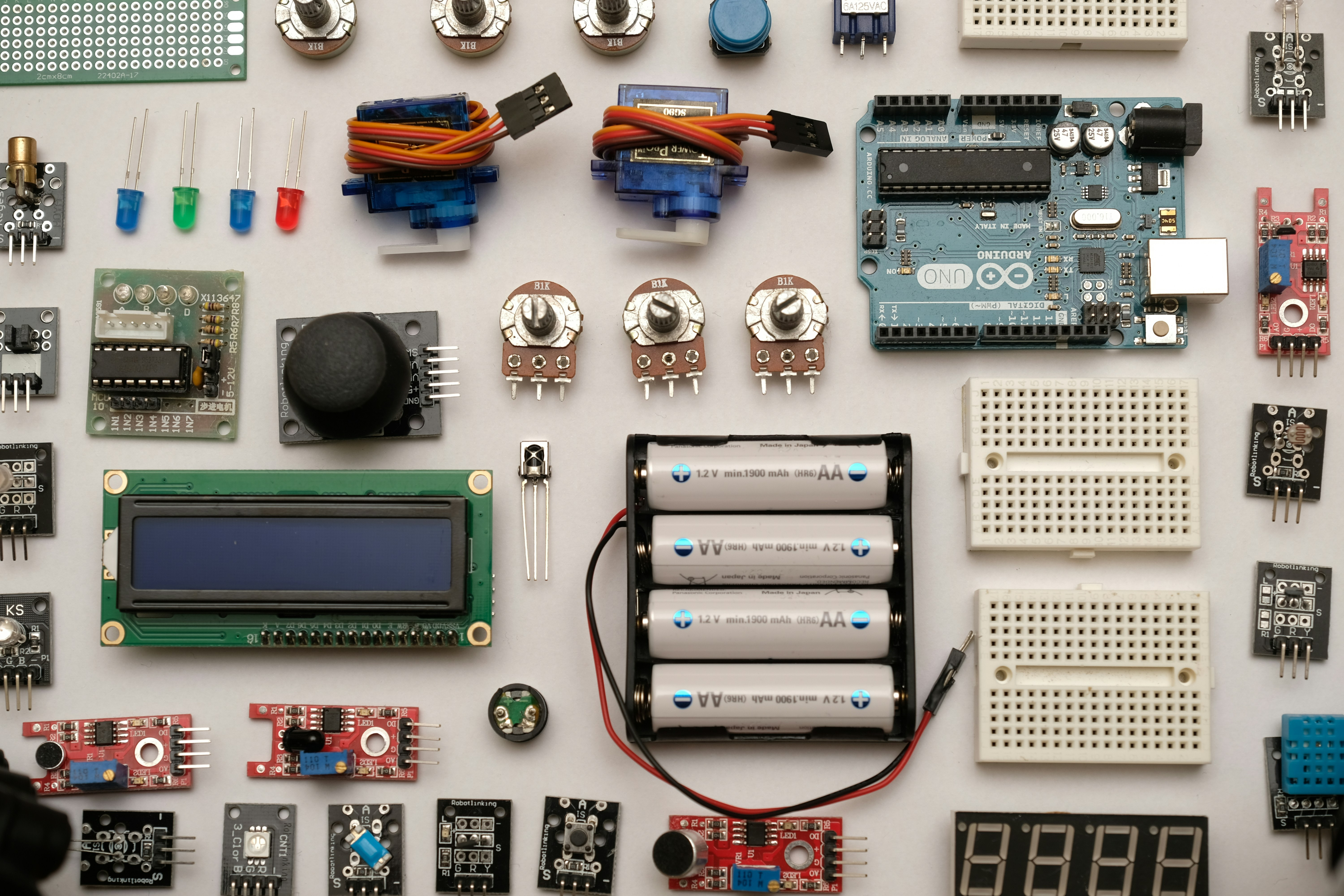
IoT systems span firmware, connectivity, cloud infrastructure, data, and business applications. The complexity usually appears in the way those layers interact, especially as the system moves from prototype to production.
Works with your existing stack with no platform bias.
Keep your hardware, IoT platform, vendors, and internal team. We build around what the product needs.
Engineering across the connected stack.
Device, cloud, data, and integrations stay part of the same conversation.
Continuity that keeps systems maintainable.
IoT products often pass through multiple developers, and context gets lost with every handover. We stay close to the system, so the codebase remains easier to maintain and evolve.


AI Engine | New York, US | Build
5 months from first meeting to live product.
100% sprint completion — on time, within budget.
50%+ reduction in delivery costs vs. traditional software vendors.
AI Automation
OCPP
Multi-vendor chargers
Charge-session billing
Roaming
Process Automation
The internal platforms
Billing
Documents
Workflows
AI Agent Development
Production and regulatory data
ETL across all fifty states
Web Application
Telemetry
Device management
Cloud platform
Built the full platform — bookings, payments, access control, live monitoring.
Hardware-agnostic via OCPP: no charger-vendor lock-in.
Trusted by names like Greystar and Cushman & Wakefield.
Connected-equipment manufacturers
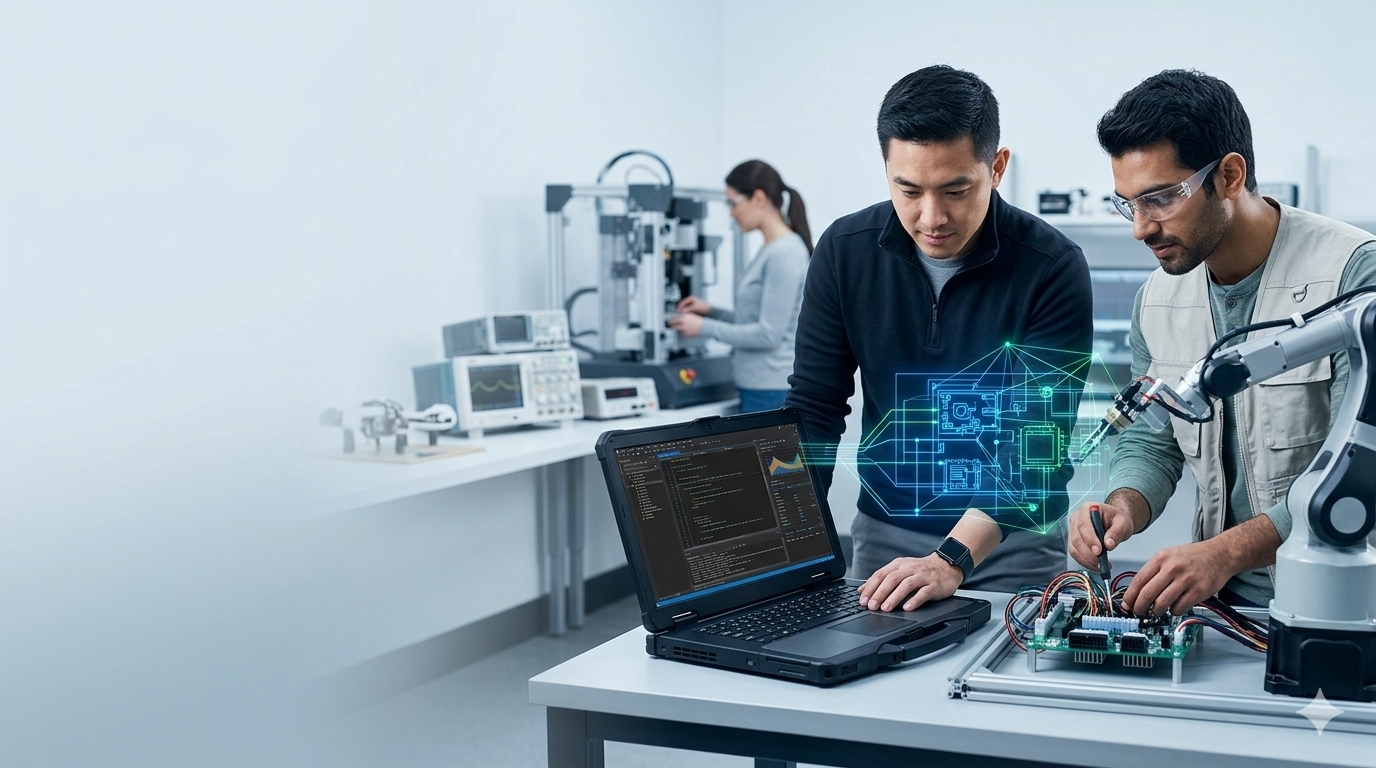
You have the hardware. We help build and scale the software around it, from device communication and OTA to cloud management and customer applications.
Telemetry and monitoring platforms
You need reliable ingestion, device state, alerts, reporting, and visibility across mixed hardware.
Industrial IoT and IoT platform companies
The product is already running, but the roadmap is larger than the engineering capacity available.
Fleet and asset operators
You have devices across sites and large volumes of telemetry, but the operational value is still difficult to extract.
Energy and utility device operators
Meters, grid devices, DER, telemetry, and reporting have to connect reliably with the systems around them.
Teams moving from pilot to rollout
The first devices proved the idea. Production now needs provisioning, OTA, observability, support workflows, and architecture built for a fleet.
Reviewing the security and update path for a connected product?
Talk through firmware, OTA, SBOMs, vulnerability handling, and device-cloud architecture with an engineer who works across the connected stack.
IoT systems span firmware, connectivity, cloud infrastructure, data, and business applications. The complexity usually appears in the way those layers interact, especially as the system moves from prototype to production.
It was built for a demo, so it fights you at scale.
Every pilot shortcut is now a wall — you can't add devices without something breaking.
It has no owner for the space between device, cloud, and business.
Hardware vendor stops at the device. Your platform stops at the cloud. Your ERP stops at the invoice. Everything specific to your product falls in the gap — so you referee three vendors on your own time.
It's lost the people who understood it.
Enough hands have touched the code that changes take weeks, and every fix risks a new break.
The same three problems, engineered out — in order.

Rebuild the rollout as a rollout. We start where scale breaks: provisioning, OTA campaigns, buffering, and monitoring, engineered for a fleet and tested against field conditions — not a bench. The pilot stops behaving like a pilot.

Take ownership of the gap. With the fleet stable, the space between device, cloud, and business systems becomes our scope. When telemetry lands but the invoice doesn't, tracing it is our problem — not a fix you coordinate across three vendors.

Stay close to the system. Once it runs, the same senior engineers stay on the codebase — so context isn't lost between handoffs and the system keeps evolving over time, without unnecessary rewrites.
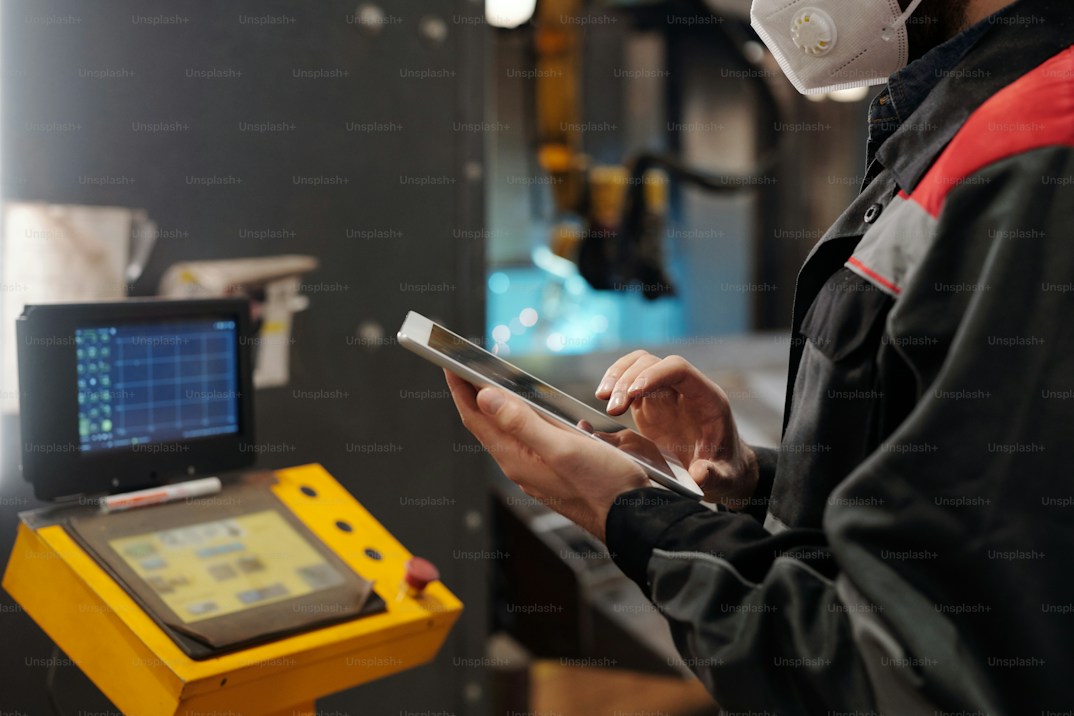
Your OTA process works in testing but struggles once devices are deployed.
Connectivity changes in the field. Updates can be interrupted, devices can disappear during a rollout, and different firmware versions may remain active at the same time. The update workflow has to account for the fleet that actually exists.
A new hardware vendor behaves differently from the devices already supported.
Telemetry formats, device states, timing, or protocol behaviour may not match what the rest of the platform expects. A normalization or integration layer can isolate those differences from the systems upstream.
You collect large amounts of device data but still cannot answer operational questions.
Telemetry may be split between device platforms, databases, vendor systems, dashboards, and spreadsheets. The challenge becomes turning those sources into one reliable operational view.
Your device platform was designed for one customer and now serves many.
Each customer may require separate data, permissions, configuration, branding, or reporting. That introduces a multi-tenancy problem that did not exist in the original product.
Your pilot worked, but rollout keeps exposing new problems.
Provisioning, fleet health, monitoring, update campaigns, buffering, support workflows, and failure recovery become more important as deployment grows.
Your devices and business systems still operate separately.
Telemetry reaches the cloud, but billing, work orders, accounting, customer portals, or other workflows still depend on manual steps. The missing piece is often the integration and business logic between them.
Your connected product behaves differently in software than it does in the real world.
Mobile applications cannot be developed entirely against assumptions. Real-device testing exposes differences in Bluetooth behaviour, firmware state, connectivity, timing, and physical-device responses that software-only testing does not.
 Misty evergreen forest
Book a free 30-minute consultation with a senior engineer who knows your industry. No obligation — you'll leave with a clear view of what to tackle first.