


How to Transition to Offshore Teams Without Losing Control
Optimize your 2026 offshore strategy with a Mirror Stack, Zero Trust security, and AI to scale execution while saving 40-70%.
9 min read
Loading…
Choosing between an in-house team and an offshore partner is a strategic decision that can redefine your product velocity, engineering culture, and long-term competitiveness.
Written by: Nasif Sid Created on: 21 Nov 20255 min to read
If you’re looking to save money and grow fast, then go with an offshore team. But if staying hands-on and working closely matters more, then choose in-house.
When it comes to building a software product, one of the biggest decisions businesses face is whether to keep development internal or outsource it abroad.
The debate between an in-house vs offshore software development team goes far beyond just cost. It’s about control, speed, scalability, and how well your team aligns with your long-term goals.
An in-house team offers close collaboration and direct communication, while an offshore setup brings global talent, flexibility, and significant cost advantages. Both models can deliver excellent results, but which one fits your business best depends on your priorities, budget, and timeline.
In this guide, I’ll break down the key differences, explore the pros and cons of each, and help you decide which model aligns best with your vision for growth.
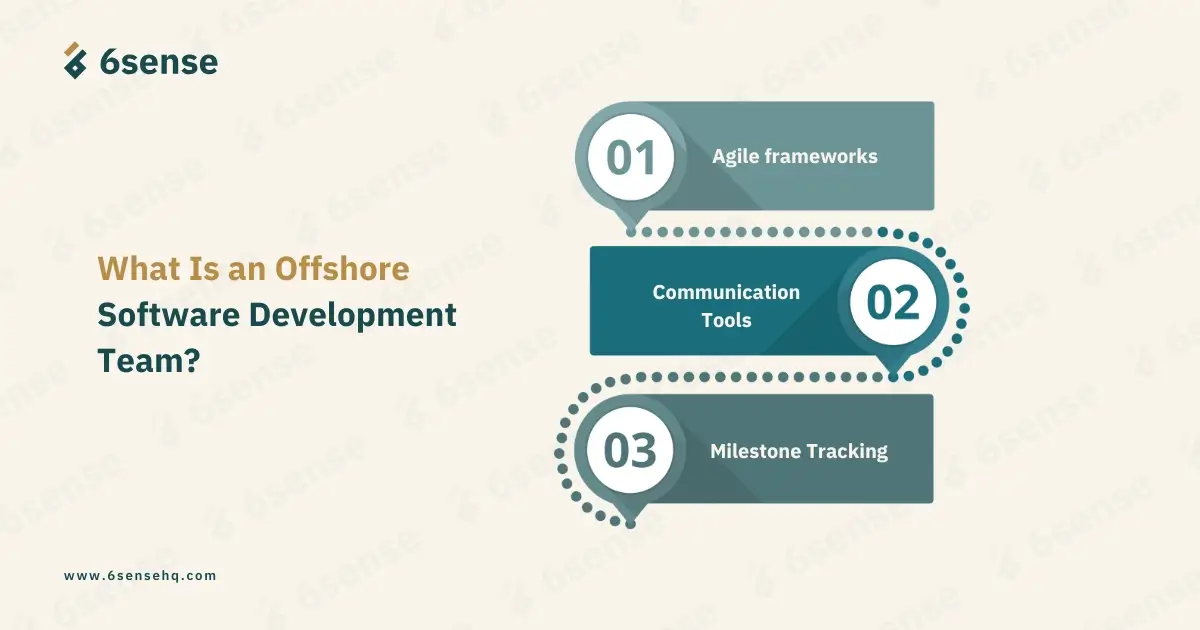
An offshore software development team is a remote group of professionals located in another country who help your company build, scale, and maintain software. It's a cost-effective and flexible model that gives you access to global talent without the overhead of local hiring.
These teams are usually formed through specialized vendors and can handle everything from product design to testing and ongoing support.
To keep collaboration smooth, offshore partners rely on:
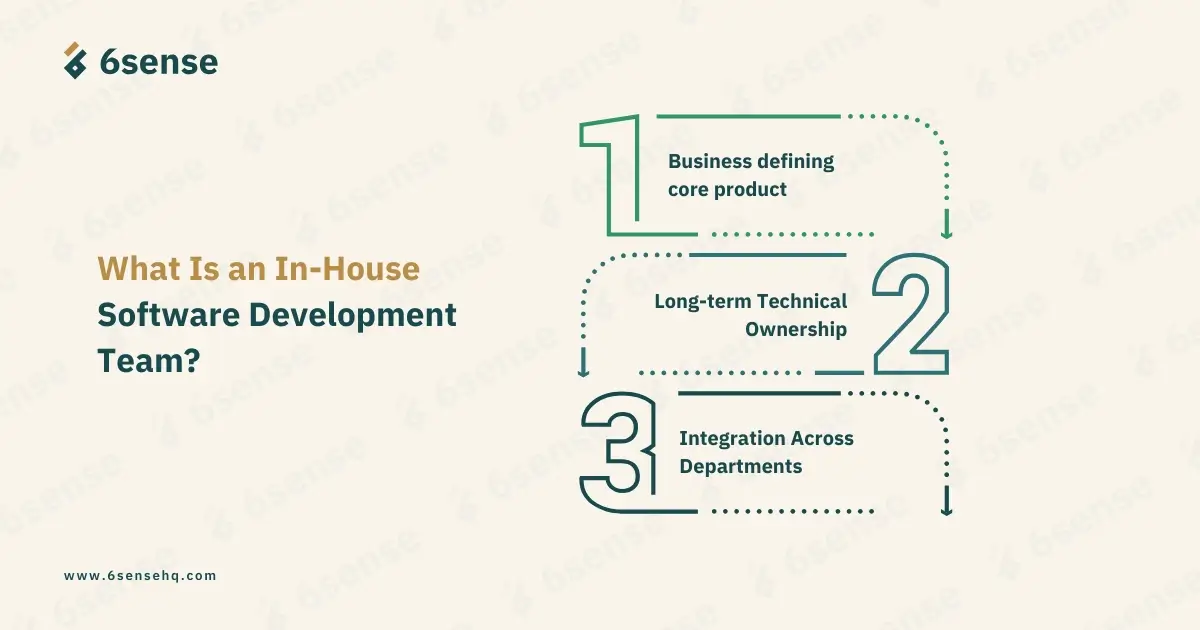
An in-house software development team is made up of full-time employees who work directly within your company. They’re hired, trained, and managed internally, giving you complete control and alignment with your business goals.
This model involves a long-term commitment and higher upfront costs but offers deeper integration, stronger collaboration, and better product ownership over time.
Companies often build in-house teams when:
Both in-house and offshore teams can build successful software, but they differ in how they operate, communicate, and scale. The table below highlights the key factors businesses usually consider when choosing between the two models.
| Aspect | Offshore Team | In-House Team |
| Control | Controlled via clear processes and communication. | Full project control. |
| Cost | Lower has global talent at competitive rates. | Higher for salaries, benefits, and infrastructure. |
| Talent Pool | Access to global, diverse skill sets. | Limited to local hiring. |
| Communication | Virtual tools bridge time zone gaps. | Direct and face-to-face. |
| Scalability | Faster, teams are ready to deploy. | Slower, requires hiring and onboarding. |
| Cultural Fit | Needs onboarding for alignment. | Naturally aligned with company culture. |
| Speed of Delivery | Can be faster with 24/7 development cycles. |
Both offshore and in-house development models come with distinct advantages. Here's a quick side-by-side look at what each approach brings to the table.
| S.N | Offshore Development | In-House Development |
| 1 | Access to global talent across specialized domains. | Full control over every stage of the project. |
| 2 | Significant cost savings with lower hourly rates. | Direct, real-time communication and collaboration. |
| 3 | Fast scaling with ready-to-deploy remote teams. | Deep product knowledge and long-term alignment. |
| 4 | Near 24/7 development through time zone advantage. | Strong cultural fit and company integration. |
| 5 | Structured processes and international standards. | Greater security and control over IP and data. |
Choosing between offshore and in-house teams comes down to your goals, budget, and growth plans.
If speed, scalability, and cost-efficiency are priorities, offshore teams offer quick access to global talent.
If your project needs close collaboration and full control, an in-house team is the better fit.
Here’s a side-by-side cost comparison of average hourly rates for key software development roles:
| Role | North America (In-House) | Asia (Offshore) | Eastern Europe (Offshore) |
| Frontend Developer | $90 – $120/hr | $20 – $35/hr | $30 – $45/hr |
| Backend Developer | $100 – $140/hr | $25 – $40/hr | $35 – $50/hr |
| Full-Stack Developer | $110 – $150/hr | $30 – $45/hr | $40 – $60/hr |
| DevOps Engineer | $110 – $160/hr | $30 – $50/hr | $45 – $65/hr |
| Project Manager | $120 – $170/hr | $35 – $55/hr | $50 – $70/hr |
Let’s say you're building a mid-sized SaaS product that requires a 5-person development team working over 6 months.
Offshore Cost Estimate:
In-House Cost Estimate:
Choosing between an in-house and offshore team requires a clear understanding of your goals, resources, and growth strategy. Both models can lead to success, but the right fit depends on what your project demands.
If direct control, collaboration, and cultural alignment matter most, an in-house team is ideal. For flexibility, global expertise, and cost efficiency, offshore development may be the better option.
Ultimately, success comes down to how well you manage communication, build trust, and align your team with business objectives. Define what matters most for your project, then choose the model that supports your vision, timeline, and scale.
Still unsure which way to go? Let’s talk today.
Optimize your 2026 offshore strategy with a Mirror Stack, Zero Trust security, and AI to scale execution while saving 40-70%.
9 min read

Stop scrolling, start hiring: 15 best offshore dev sites for 2026 with rates, vetting process, and quick picks. Tap in!
14 min read

Offshore ROI in 2026: calculate true TCO, payback & NPV, dodge rework traps, and scale faster, grab the checklist now!
7 min read